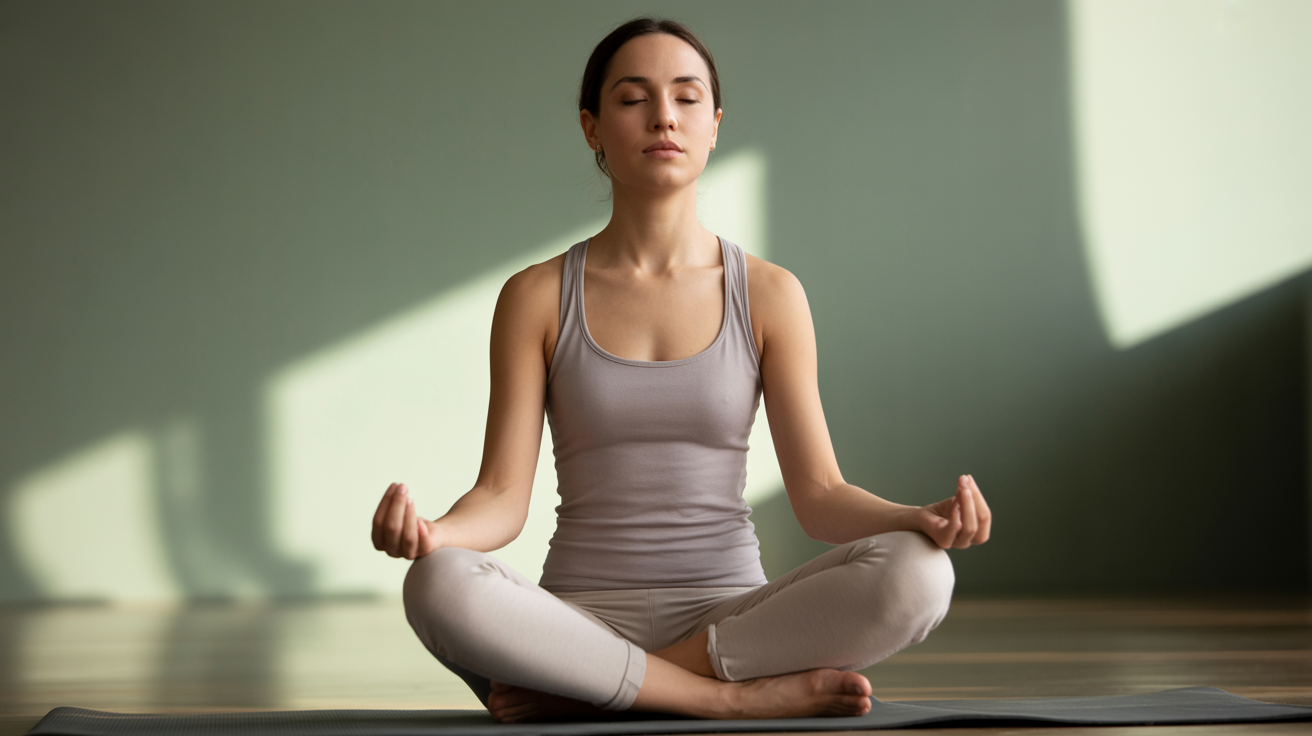
Stress is not just a feeling — it is a physiological event. When the body perceives threat, real or imagined, the sympathetic nervous system activates: heart rate increases, muscles tighten, breathing becomes shallow and rapid. This cascade is useful when running from genuine danger but exhausting when triggered by an email, a traffic jam, or the low hum of modern overwhelm.
The breath is the one autonomic function we can consciously control. By changing the pattern of our breathing, we send a direct signal to the nervous system: we are safe. The danger has passed. We can rest.
Below are three pranayama (breath control) techniques drawn from the yoga tradition. Each one is simple enough to practice anywhere — at your desk, on the bus, lying in bed at night — and powerful enough to shift your internal state within minutes.
1. Diaphragmatic Breathing (Belly Breathing)
This is the foundation of all breath work. Most of us breathe into the chest, which reinforces the stress response. Diaphragmatic breathing reverses this by engaging the belly.
How to practice:
This technique activates the vagus nerve, the primary channel of the parasympathetic (rest-and-digest) nervous system. Even one minute of belly breathing can lower cortisol levels and slow the heart rate.
2. Extended Exhale Breathing
The exhale is the body's natural relaxation phase. By making the exhale longer than the inhale, we amplify the calming signal.
How to practice:
This technique is especially useful in moments of acute stress — before a difficult conversation, during a sleepless night, or when anxiety spikes without a clear cause. The extended exhale tells the body, in a language it understands viscerally, that it is time to come down.
3. Nadi Shodhana (Alternate Nostril Breathing)
This classical pranayama technique balances the left and right hemispheres of the brain and creates a deep sense of equilibrium.
How to practice:
Nadi Shodhana is sometimes called "the great balancer." Practitioners often report a quiet clarity after just a few rounds — a sense of being centered and still, without drowsiness or dullness.
Bringing Breath Into Daily Life
The real power of these techniques is not in isolated practice sessions but in integration. Can you take three diaphragmatic breaths before opening your laptop in the morning? Can you practice extended exhale breathing while waiting in line? Can you close one nostril and breathe slowly when the afternoon slump hits?
Breath is the bridge between the involuntary and the voluntary, the unconscious and the conscious. When we learn to work with it skillfully, we gain access to a kind of internal thermostat — a way of regulating our own nervous system without medication, without external help, without waiting for circumstances to change.
The breath is always there. The question is simply whether we remember to use it.